Mitral Valve Surgery and Mitral Valve Repair in Oxford
This page explains mitral valve surgery, mitral valve repair, mitral valve replacement and minimally invasive mitral valve surgery for patients considering heart valve surgery for mitral conditions.
What is the mitral valve?
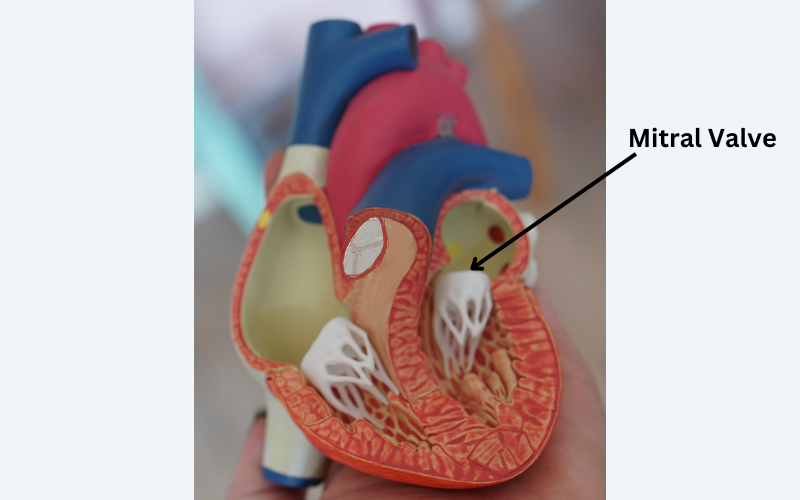
The heart has four valves that allow blood to flow in one direction and prevent flow in the opposite direction. This is the same function as valves used in plumbing. The mitral valve is part of the left side of the heart and is effectively between the lungs and the heart. It is located between the chamber that receives 'pure' blood from the lungs and the main pumping chamber of the heart. The function of the mitral valve is therefore to allow unobstructed blood flow from the lungs into the pumping chamber when open and to stop blood flowing back towards the lungs when closed.
What can go wrong with the mitral valve?
Generally the mitral valve is made up of two flaps. Usually the mitral valve carries on doing its job well over a person’s lifetime. For a variety of reasons, in some people however, the mitral valve can develop problems. One of the most common reasons in the developed world is related to ‘wear and tear’ with ageing, so-called degenerative changes. This causes blood to leak back through the valve towards the lungs. Sometimes there can be calcium and scar deposition on the valve making the flaps hard and inflexible. This can make the valve obstructive. The valve can also be affected by infection (endocarditis) causing destruction, and lead to malfunction.
How does a faulty mitral valve matter?
When the mitral valve is abnormal and starts leaking or becomes obstructive, the heart function can be affected due to the strain on the heart. It can also affect the lungs and all this can result in symptoms affecting exercise tolerance and quality of life. In advanced stages, it can lead to various other problems for e.g. it can affect the function of the right-sided Tricuspid valve, or rhythm problems, or loss of pumping power of the heart a condition known as heart failure. If left untreated for too long, it can lead to complications which can impact on life-expectancy.
What are the treatment options for a diseased mitral valve?
An abnormal valve may be found as part of unrelated tests. Not all abnormal valves need treatment only because an abnormality has been found. When the condition is in its early stages, the heart can cope well and a person may not feel any symptoms related to this. Your doctor may organise regular follow-up for this because the condition can be progressive. Some medications can sometimes be helpful to allow the heart to cope better with the effects it faces due to the diseased mitral valve.
However when the leak or obstruction is bad enough to cause symptoms or affect the heart function, more radical treatment is required to stop progression and further problems. This has been in the form of surgery which is well-established as a good form of treatment with good long-term results. However there are other options that have been developed in the last few years (for e.g. clip procedure)and may be a suitable option for some patients. These are better as they are less invasive, but they have their limitations and long-term efficacy is still not established.
What does Mitral Valve surgery involve?
It depends on what is wrong with the Mitral valve. In an expert surgeon's hands, often it is possible to repair the valve. However sometimes the valve is too badly damaged to allow repair or repair does not work well and in these situations, the valve needs to be replaced with an artificial heart valve.
Which treatment option is better?
Repair is considered overall a better option due to several advantages from having one’s own valve compared to living with an artificial valve. Repair can be technically more complex and therefore surgeons wishing to develop expertise in mitral valve surgery undergo special training focussed on this.
A surgeon would normally be able to give you an approximate idea of the likelihood of a mitral valve being repairable. When replacement is required, there are options to consider. Some information is available here but a heart surgeon will be able to discuss this in more detail.
Are there other options for treating mitral valve problems?
Yes, there are cardiology procedures that are alternatives to surgery. A balloon can be used to stretch open a narrowed valve and there are some other options that have been developed more recently to treat leaking valves (clip procedure). However these are not necessarily an option for all patients or for all valve conditions and treatment needs to be individualised.
Mitral Valve Surgery FAQ
Who performs mitral valve surgery in Oxford and surrounding areas?
Mr Vivek Srivastava is a consultant cardiac surgeon with a specialist interest in mitral valve surgery, mitral valve repair and minimally invasive mitral valve surgery.
Is mitral valve repair better than replacement?
When the valve anatomy is suitable, mitral valve repair is often preferred because it preserves the patient's own valve. Some patients still need mitral valve replacement when repair is not feasible or long-term durability of repair is doubtful.
Can mitral valve surgery be minimally invasive?
Selected patients may be suitable for minimally invasive mitral valve surgery. Suitability depends on the valve problem, scan results, other medical conditions and the overall surgical risk.
When to See a Cardiac Surgeon About the Mitral Valve?
A cardiologist may refer a patient to a cardiac surgeon if mitral valve disease is severe, causing symptoms, affecting heart function or likely to progress resulting in complications like heart failure. Patients are often referred for specialist advice about mitral regurgitation, mitral valve prolapse, mitral stenosis, mitral valve repair or mitral valve replacement.
A surgical consultation is also useful when you need a second opinion about whether mitral valve repair is possible, whether minimally invasive mitral valve surgery is suitable, and what recovery after heart valve surgery may involve.
What Symptoms Does Mitral Valve Disease Cause?
Mitral valve problems can cause breathlessness, tiredness, reduced exercise tolerance, palpitations, ankle swelling or chest discomfort. However symptoms do have to be severe or cause significant limitation or problems. Some patients have few symptoms but show changes on an echocardiogram, MRI scan or other heart tests. Even with relatively minor symptoms, there may still be a significant mitral valve issue with risk of complications.
What to Expect Before Mitral Valve Surgery?
Assessment for mitral valve surgery usually includes review of symptoms and general health, tests like echocardiogram, heart rhythm monitors, and other investigations such as CT scans or coronary angiography when needed. The aim is to understand fitness for surgery, risks with surgery as well as the valve anatomy, the likelihood of a durable mitral valve repair and the safest surgical approach.
How Does Recovery Progress After Mitral Valve Surgery?
Recovery depends on the operation, the surgical approach and the patient's general health. Most patients need time for wound healing, gradual improvement in stamina and cardiac rehabilitation. In the long-term, a good follow-up helps monitor valve function, medications, rhythm problems and return to normal activity.
Mitral Valve Surgery in Oxford and Nearby Areas
Mr Vivek Srivastava sees patients for mitral valve surgery advice in Oxford and London. He receives referrals from Oxfordshire (Oxford, Banbury, Abingdon, Didcot, Bicester, Witney) and surrounding areas including London, Northamptonshire (Northampton, Daventry, Kettering), Wiltshire (Swindon, Salisbury), Buckinghamshire (Milton Keynes, Aylesbury, High Wycombe), Warwickshire (Warwick), Berkshire (Reading) and Jersey.
Leave a comment/ Ask a question
Practice Locations
My primary workplace is John Radcliffe Hospital, part of Oxford University Hospitals, Oxford. I see patients seeking advice about mitral valve repair, minimally invasive cardiac surgery and heart valve surgery from Oxford, London and surrounding areas including Northampton, Swindon, Milton Keynes, Jersey, Kettering and High Wycombe.
About Me